

The Representation Gap: The Mental Health Industry Needs More Men
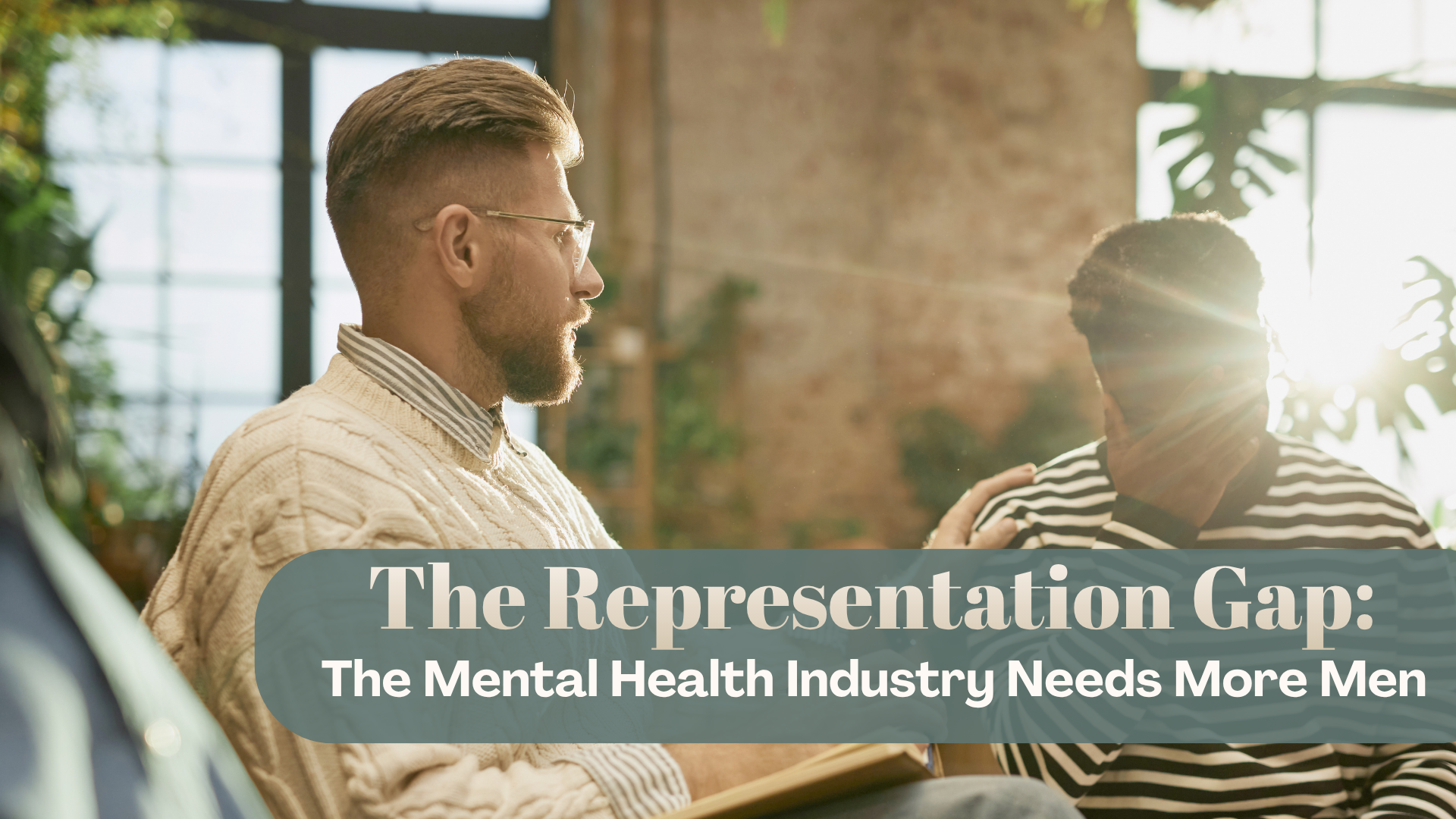
June is Men’s Mental Health Month, a time usually dedicated to encouraging men to break their silence, challenge societal stigma, and seek therapy. But to truly change the landscape of men’s mental health, we have to look at the other side of the therapy room.
Why aren’t more men seeking help?
The answer goes beyond the cultural conditioning of emotional suppression. It is also a profound problem of representation. The mental health field is predominantly female, and while exceptional care is delivered across the board, the industry is facing a critical shortage of male practitioners.
To normalize mental wellness for men, we do not just need more male clients. We drastically need more male clinicians, psychologists, and practice owners entering the profession.
The Psychology of "Seeing Yourself" in Healing
For many men, taking the initial step to reach out for professional support requires overcoming decades of conditioning that equates vulnerability with weakness. When a male business owner, father, or executive finally builds up the courage to contact a practice, they are often looking for a specific type of shared lived experience.
Psychologically, human beings naturally seek out professionals who reflect their own identities and unspoken realities.
When a man scans a directory of mental health professionals and sees an industry where men are heavily underrepresented, it can inadvertently validate the internal stigma that therapy is a space where they do not belong. Conversely, when more men enter the field and establish visible practices, it creates a powerful ripple effect. The visibility of male practitioners normalizes the entire concept of psychological care for other men.
The Burden on the Few
Because there are fewer male practitioners in the private sector, the ones who do enter the field are met with an overwhelming, often unsustainable demand. They are routinely flooded with inquiries from men who have waited months specifically to find a male specialist who understands the unique intersection of male identity, societal pressure, and emotional health.
This high demand can easily lead to a dangerous trap for the male clinician: hyper-independence.
Knowing how vital their presence is, many male practice owners feel an immense pressure to operate entirely on self-reliance, trying to manage the compounding weight of their caseload alongside the daily operational demands of running a business. But this extreme self-reliance is a bottleneck to longevity. If the few male voices in our industry burn out, the representation gap only widens.
Supporting the Longevity of Male Clinicians
If the goal is to close this gap and inspire the next generation of men to join this vital profession, the industry must showcase that running a clinical practice can be sustainable.
Clinical leadership requires recognizing that your empathy and your specialized expertise are your primary tools. True professional longevity is achieved when practitioners shift from trying to carry the weight of an entire business infrastructure alone to establishing structured, organized systems that protect their own mental well-being.
A Call for a Sustainable Blueprint
Destigmatizing mental health for men starts with representation, but it is sustained through infrastructure. By encouraging more men to enter the profession, and by ensuring that the male clinicians currently in the field have the structural support to avoid burnout, we build a healthier ecosystem for everyone.
To the male practitioners leading the charge: your specialty is deeply necessary. Protecting your own longevity is the first step toward expanding the reach of mental wellness for men everywhere.